George Carman, Rutgers, The State University of New Jersey (USA)
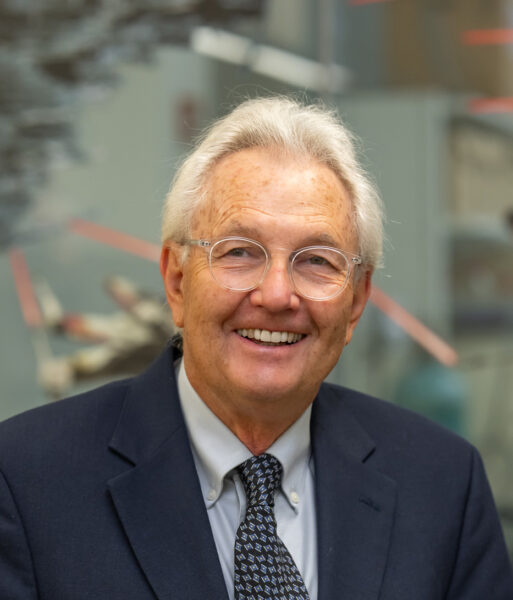 |
Dr. Carman is a Rutgers University Board of Governors Professor, Distinguished Professor, and Founding Director of the Rutgers Center for Lipid Research. His laboratory has made significant contributions to the understanding of lipid synthesis and its regulation through the isolation and characterization of key genes and their encoded enzymes. He is an Inaugural Fellow of the American Society for Biochemistry and Molecular Biology and Fellow of the American Academy of Microbiology. Awards/honors include the Herbert Tabor Research Award, Avanti Award in Lipids, Supelco/Nicholas Pelick Research Award, Faculty Mentor of the Year Award-Compact for Faculty Diversity, Journal of Lipid Research Lectureship Award, Selman A. Waksman Honorary Lectureship Award, and a Highly Ranked Scholar by ScholarGPS. Editorial service includes Associate Editor of the Journal of Biological Chemistry, Associated Editor of the Journal of Lipid Research, Executive Editor of Biochimica et Biophysica Acta-Molecular and Cellular Biology of Lipids, and Executive Editor of Analytical Biochemistry. Visit his website |
Clotilde Théry, Institut Curie, Paris (France)
 |
Clotilde Théry is a professor and INSERM director of research at Institut Curie in Paris, France. She is president of the International Society for Extracellular Vesicles (ISEV), where she previously served as founding secretary general and as editor-in-chief of the Journal of Extracellular Vesicles. She is the team leader of the group « Extracellular Vesicles, Immune Responses and Cancer » within the INSERM Unit 932 focusing on « Immunity and Cancer. » Clotilde Théry researches extracellular vesicles that are released by immune and tumor cells, including exosomes that originate in the multivesicular body. After a PhD in Paris (France), and a post-doc in Oxford (UK) and Columbia Universities (USA), where she studied the development of the nervous system, she turned to the cell biology aspects of immune responses in 1996 when joining the lab of S. Amigorena, at Institut Curie in Paris. She is the author of more than 300 papers that are cited more than 80 000 times. Visit her website. |
Raphaël Rodriguez, Institut Curie, Paris (France)
 |
Raphaël Rodriguez, is a Director of Research at the CNRS, and a researcher at the Institut Curie, where he holds the Skłodowska-Curie Chair in Chemical Biology. He trained as a doctoral student and then postdoctoral researcher under the mentorship of Jack Edward Baldwin and Shankar Balasubramanian, with whom he acquired his knowledge of synthetic chemistry and supramolecular chemistry. He then studied cell biology with Stephen Jackson with whom he also co-founded Adrestia Therapeutics. He then joined the Institut Curie in Paris, 2015, where he studied the molecular basis underlying cancer biology. There, he discovered the key role of metals in regulating the plasticity of cancer and immune cells. He is a member of the Royal Society of Chemistry (FRSC) and was named “Chevalier de l’Ordre National du Mérite”. He has received several distinctions and awards for his scientific contributions, including the Tetrahedron Young Investigator Award, the Klaus Grohe Award, the Lacassagne Award (Collège de France) and the Charles Defforey Grand Prize (Institut de France), the Liliane Bettencourt Prize for Life Sciences in 2023, and the CNRS Silver Medal in 2024. He published more than 150. Papers which were cited about 10,000 times Visit his website. |
Eric Maréchal, Laboratoire Physiologie Cellulaire & Végétale, Grenoble (France)
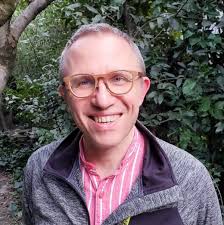 |
Eric Maréchal is a CNRS scientist and deputy Director of the Laboratoire de Physiologie Cellulaire & Végétale (LPCV) in Grenoble, France. His research explores the evolution of algal and plant cell membrane architecture in plastid-containing eukaryotes. He investigates membrane and storage lipid metabolic pathways in the context of evolutionary processes—particularly primary and secondary endosymbiosis—as well as environmental constraints such as nutrient limitation and temperature variation. His experimental models include green algae and plants, diatoms and other stramenopiles, and apicomplexans. More recently, he has developed a strong research focus on the adaptive mechanisms of algae thriving in cryophilic environments, including snow, glaciers and sea ice. He currently coordinates the AlpAlga project. Visit his webpage. |
Parveen Yaqoob, University of Reading (UK)
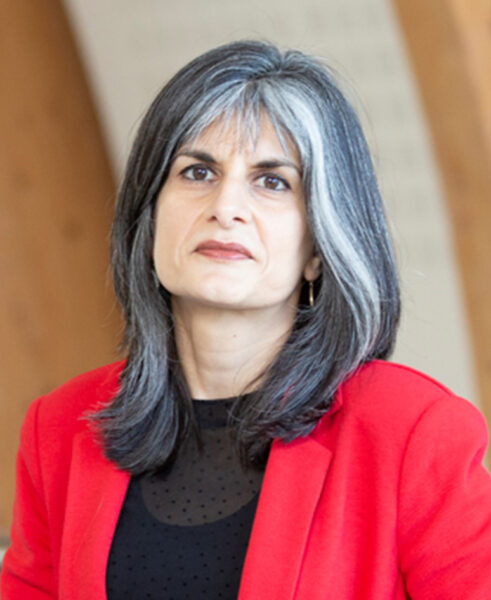 |
Professor Parveen Yaqoob is Deputy Vice-Chancellor and Pro-Vice-Chancellor Research and Innovation at the University of Reading, where she has worked for 27 years. Her research has focused on nutritional modulation of immune function, inflammation and vascular function, and she has a particular interest in the influence of n-3 polyunsaturated fatty acids on the generation and function of extracellular vesicles. She has contributed significantly to both national and international research funding panels for food, nutrition and health and was appointed OBE for services to higher education in 2022. Visit her website |
Richard Bazinet, Department of Nutritional Sciences, Temerty Faculty of Medicine, University of Toronto (Canada)
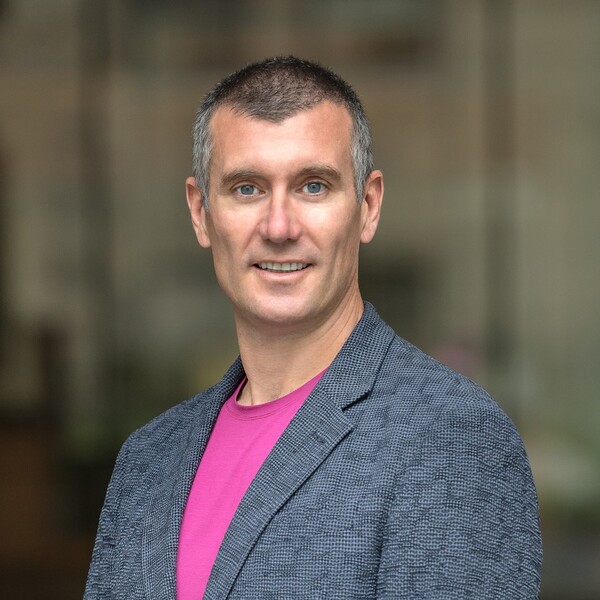 |
Pr Richard Bazinet is a Professor and Canada Research Chair in Brain Lipid Metabolism at the University of Toronto, internationally recognized for his pioneering research into how fatty acids impact the brain. His major scientific contributions center on understanding the regulation of brain lipid metabolism, especially the roles of dietary polyunsaturated fatty acids (PUFA) like arachidonic acid (AA), eicosapentaenoic acid (EPA) and docosahexaenoic acid (DHA) in neurological health. His discoveries have shed light on how these fats are metabolized in brain phospholipids and their critical involvement in neurodegenerative and neuropsychiatric disorders. Recently, Bazinet’s research demonstrated that the liver can generate palmitic acid to support brain health, and his lab’s kinetic and biochemical approaches have revealed novel mechanisms regulating fatty acid turnover and inflammation in the brain. Since 2006, he has published over 250 scientific papers cited more than 7500 times (H43) and contributed to international guidelines on dietary fats for brain health. His work influences policy and public health recommendations worldwide. He is the past-president of the International Society for the Study of Fatty Acids and Lipids, editor-in-chief of Prostaglandins, Leukotrienes and Essential Fatty Acids, and recipient of numerous prestigious awards including the Ralph Holman Lifetime Achievement Award and the Supelco AOCS Research Award for Outstanding, Original Research in Fats, Oils, Lipid chemistry or Biochemistry. Visit his website |
Rochus Benni Franke, Institute of Cellular and Molecular Botany, Bonn (Germany)
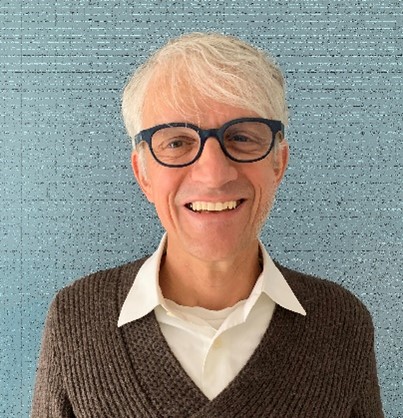 |
Dr. Rochus Benni Franke graduated with a Diploma in Biology from the University of Kaiserslautern in Germany. In his PhD research in Dr. Heinrich Kauss’ lab in Kaiserslautern and partly in Dr. Steven Fry’s lab at University of Edinburgh he studied cell wall modifications during plant defense reactions. As a post-doc in Dr. Clint Chapple’s lab Benni chemically phenotyped new lignin-engineered plants. In a second project he identified and biochemically characterized an unaccounted enzyme in the essential phenylpropanoid pathway. As research associate at the University of Heidelberg he investigated and optimized the biosynthesis of tumor inhibiting alkaloids from cultures of medicinal plants. In 2001 he joined the Institute for Cellular and Molecular Botany at University of Bonn as assistant professor where he initiated molecular genetic research approaches in the field of plant-environment-interfaces. These pioneering analyses resulted in the identification of multiple genes in the formation of physiologically important biopolymers such as cutin, suberin and Casparian strips. Benni continued in Bonn as adjunct professor and research activities focusing on the biosynthesis of apoplastic diffusion barriers and how their chemistry affects the plants water and nutrient homeostasis and biotic interactions. Visit his website |
Manuel Liebeke, Max Planck Institute for Marine Microbiology, Bremen (Germany)
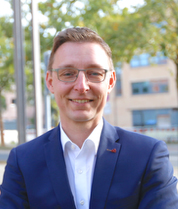 |
Manuel Liebeke obtained his PhD in 2010 and went on to specialize in host–microbe interactions with a focus on microbial metabolism. Since 2024 he is a Professor for Metabolomics at Kiel University, where his lab investigates the chemical basis of microbe-host interactions using mass spectrometry imaging, fluorescence microscopy, and 3D tomography. His team develops correlative imaging workflows to spatially connect metabolite production with the anatomical and cellular context of both mutualistic and pathogenic microorganisms in animal hosts with a special focus on lipids. By integrating chemical imaging with high-resolution microscopy, his research reveals the hidden metabolic exchanges that structure host–microbe relationships in situ. Visit his website |
Christel Bergström, The Swedish Drug Delivery Center, Department of Pharmacy, Uppsala Biomedical Center, Uppsala University (Sweden)
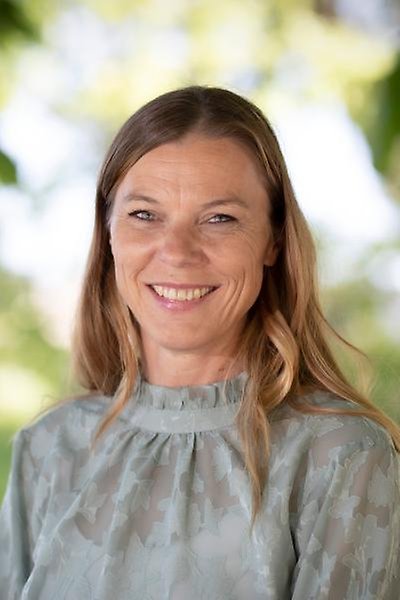 |
After her PhD in 2003, Dr Bergström was employed as scientist at Department of Pharmacy, Uppsala University with the task to establish a pharmaceutical profiling laboratory. In 2009 she received an Assistant Professorship and advanced her research program to include studies of impact of formulation and physiological processing on drug solubility and absorption. This scientific edge was key to receive a Marie Curie Fellowship for international qualification (2010-2013) at Monash University (Melbourn Australia) ranked number 2 world-wide in pharmacy and pharmacology. With leading scientists at Monash University Bergström continued to develop the subject area to include computational models for matchmaking drug molecules with best performing excipients and formulations. This was a stepping stone towards obtaining an ERC Starting grant in 2015, which aimed at targeting in silico and in vitro models for better prediction and evaluation of highly complex drug delivery systems. Dr Bergström was appointed Professor in Molecular Pharmaceutics (chair) in 2020, the first female Professor in pharmaceutics in Sweden. She is nowadays an international key opinion leader within the field of drug delivery and pharmaceutics, with extensive interactions and collaborations with external stakeholders including biotech- and pharma industry, as well as hospital pharmacies. Dr. Bergström has also founded four companies and through these, she translates her knowledge and innovations, of benefits to the life science sector, patients and the society at large. Visit her website |
Claire Berton-Carabin, Laboratoire Biopolymères Interactions Assemblages, Nantes (France)
 |
Claire Berton-Carabin is currently Research Director at INRAE (the French National Research Institute for Agriculture, Food and the Environment), in the research unit BIA (Biopolymers, Interactions, Assemblies) in Nantes, France, where she leads a research team of about 30 members, titled Interfaces and Dispersed Systems. She also holds a Visiting Associate Professor position at Wageningen University and Research (Netherlands) in the Laboratory of Food Process Engineering (FPE), where she was fully appointed between 2013 and 2020. Before that, she performed her PhD research at INRAE (formerly INRA) and received her PhD degree in 2011. She then conducted two postdoctoral projects (Penn State University, Department of Food Science, USA, 2011-2013; and Danone-Nutricia Research, the Netherlands, 2013). Claire’s research is focussed on understanding the interplay between the structure of food emulsions (in particular, at the level of the oil-water interface) and their functionality and chemical reactivity. Her research interests therefore range from the characterization of the early formation and stabilization of emulsion droplets, all the way to their subsequent physicochemical stability and final fate during digestion. To date, Claire is the author of 120 scientific publications with more than 7200 citations, 1 patent and 9 book chapters. She is a member of the executive board of the French Society for Lipid Research (SFEL). She received the Euro Fed Lipid ‘Young Lipid Scientist Award’ in 2017, and the ‘Promising Researcher Award’ of INRAE in 2022. Visit her website. |
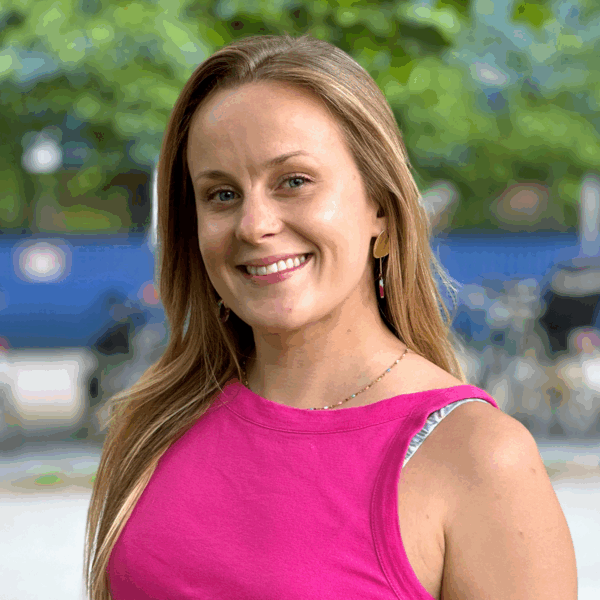
Katelyn Camille Cook, Max Planck Institute for Molecular Cell Biology and Genetics, Dresden (Germany)